





By proceeding, you agree to our Privacy Policy and Terms of Use.
From disembodied voices to ghostly apparitions, we’ve heardmany spooky details from hotel guests who have visited notoriously hauntedhotels. While we haven’t had any paranormal run-ins at these spots ourselves,staff and guests have allegedly had eerie encounters that would certainly haveus sleeping with one eye open. So if trick-or-treating or costume parties are alittle too tame…
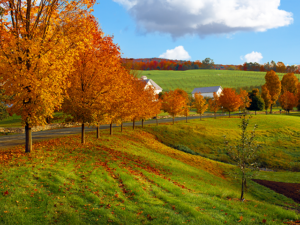
If you thought summer was fun, there’s a ton of stuff on the books for fall. Noncommittal temperatures may be throwing a wrench in your ability to plan for this year’s fall foliage, but that doesn’t mean you can’t still plan a fantastic weekend getaway this autumn. While we love leaf-peeping as much as everyone…
Spring break as a parent has an entirely different meaning than it did back in college. While the latter was likely filled with booze-fueled parties, the former keeps things G-rated with kid-friendly activities. Luckily, there are plenty of excellent spring break destinations for families with kids in tow. Whether you have a little one in…

1600 Pennsylvania Avenue might be home base for the POTUS, but when you’re the leader of the free world, you’re bound to spend a lot of time traveling, too. Over the course of his two-term presidency, Barack Obama jetted off to 58 different countries and embarked on plenty of firsts, including being the first sitting…
When most people think about spring getaways, spring break comes to mind. And while that’s certainly part of the spring travel season, it’s not the only amazing vacation that you can take. The truth is that outside of Mexico, the Caribbean, and some parts of the southern U.S, spring is shoulder season. And even in…
Checking off new bucket-list destinations is no doubt an exciting feeling, but there are some places so special that they’re worth experiencing more than once (or twice). So, what is it about a destination that lures us back time and time again? Is it finding comfort in the familiar? Is it the joy of uncovering…

As February comes to a close, we creep closer and closer to spring break, which usually falls between March and April in the U.S. Not sure where to go? We tapped travel sites Expedia and Hipmunk, who gave us the lowdown on the most popular spring break destinations in the U.S. this year. While some…

Most visitors to Washington, D.C., first think about monuments. After all, the city has plenty — exalted, grand, reflective, simple, and baroque. But the United States’ capital has more than just awe-inspiring, historic structures and world-class museums. For those who want to mix a little fun into their history lesson, dine at some excellent restaurants,…

For cinephiles, movies are absolute magic, giving us a chance to escape our day-to-day lives and head to the California coastline, the London cityscape, or the salt planet of Crait (shout-out to Star Wars fans). Thankfully, you can visit those places even after the end credits roll — well, most of them anyway. The movies…
By mid-February, many of us will have gone stir-crazy being cooped up inside during this brutally cold winter (even Florida has had snow!). Luckily, Presidents’ Day Weekend provides the long weekend needed to get the heck out of Dodge and take a vacation. We’ve rounded up some of the best vacation destinations for the long…