


Pros
- Two blocks from Lafayette Park and under a 10-minute walk of the White House
- Elegant rooms with flat-screen TVs, DVD players, iPod docks, and minibars
- Fine-dining restaurant and atmospheric lobby bar, plus afternoon tea service
- Small fitness center
- Business center and eight meeting rooms, plus ballroom and terrace available for events
- Butlers on call 24/7 for guests in suites
- Free perks like area car service, evening Champagne, and morning tea/coffee
- Free basic Wi-Fi
Cons
- Business-oriented neighborhood is dead at night
- Fee for high speed Wi-Fi (free for SPG members)
- Fitness center is small and offers few machines
- No in-room coffee/tea facilities (but can be requested)
- Pricey valet parking
- Conservative decor and mature vibe may not suit children (pro for some)
Bottom Line
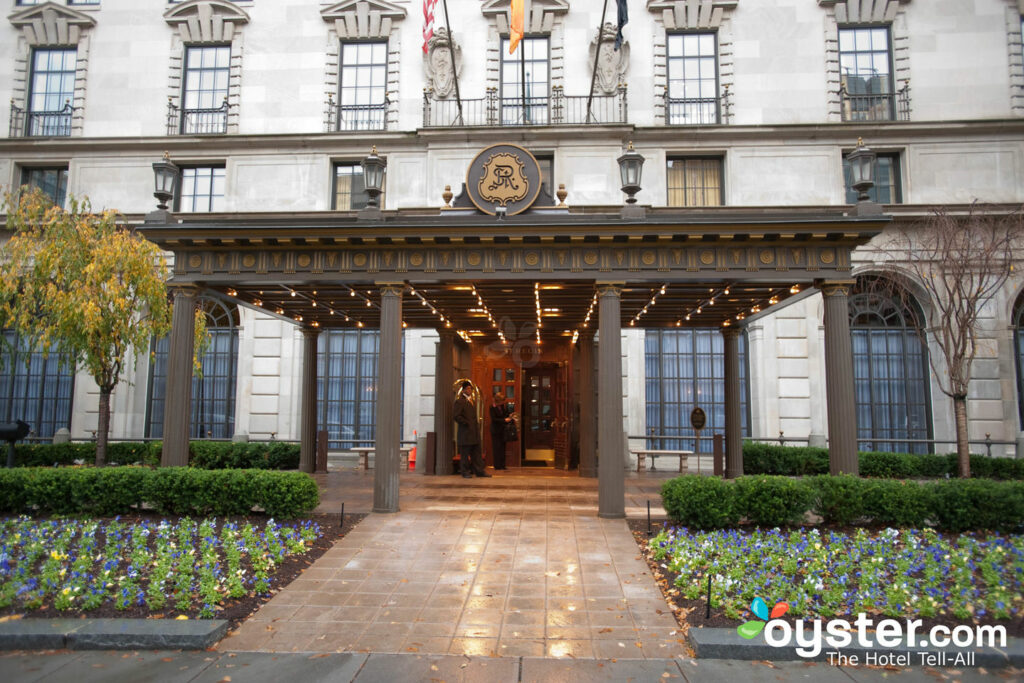
The feather in Starwood's D.C. cap, the luxury St. Regis hotel is just two blocks from Lafayette Park and under a 10-minute walk of the White House. Beautiful, classically styled interiors include an atmospheric lobby bar and 172 guest rooms, where traditional decor is accompanied by modern amenities like flat-screen TVs, DVD players, and Bose iPod docks. The on-site Decanter restaurant serves haute American cuisine, plus a wonderful afternoon tea service is available and the hotel offers free evening Champagne. Other perks include a 24/7 business center, several meeting rooms, and free area car service -- but the fitness center offers a limited number of machines and high speed Wi-Fi incurs a fee (free for SPG members). Travelers might want to compare with the nearby Hay-Adams or the Jefferson, which offer plenty of charm and similar amenities.


Amenities
- Cribs
- Fitness Center
- Internet
- Pets Allowed
Scene
Luxury chain hotel right down the street from the White House; dominated by businesspeople during the week and leisure travelers on weekends
In the eight decades since Calvin Coolidge cut the ceremonial grand-opening ribbon, every president has visited the St. Regis. For seven of those decades -- from 1926 to the end of the last century -- the property was known as the Carlton Hotel, and hosted influential figures ranging from presidents (Reagan had his hair cut here) to celebrities (Audrey Hepburn, Elizabeth Taylor, and Cher were frequent guests). Howard Hughes kept a permanent suite at the Carlton during World War II.
In 1999, the hotel changed hands and became the second St. Regis in the world, 95 years after the flagship property in New York opened. Just as significant as the hotel's St. Regis label is its association with Starwood, which enables the chain's frequent customers to use or accrue preferred guest points. The result is a clientele -- and hence a vibe -- even more corporate than other Washington hotels, at least during the week when business travelers dominate -- though weekends see many leisure travelers. Note that because of the mature vibe -- think: antique furniture, conservative decor, and butler service -- the St. Regis isn't ideal for families with young children, but it does offer kids' menus and cribs. During our visit, mellow jazz played in the lobby, and we were lucky enough to sample the afternoon tea -- a decadent, (pricey) treat, that's indicative of the hotel's posh, grown-up, and slightly stuffy vibe.
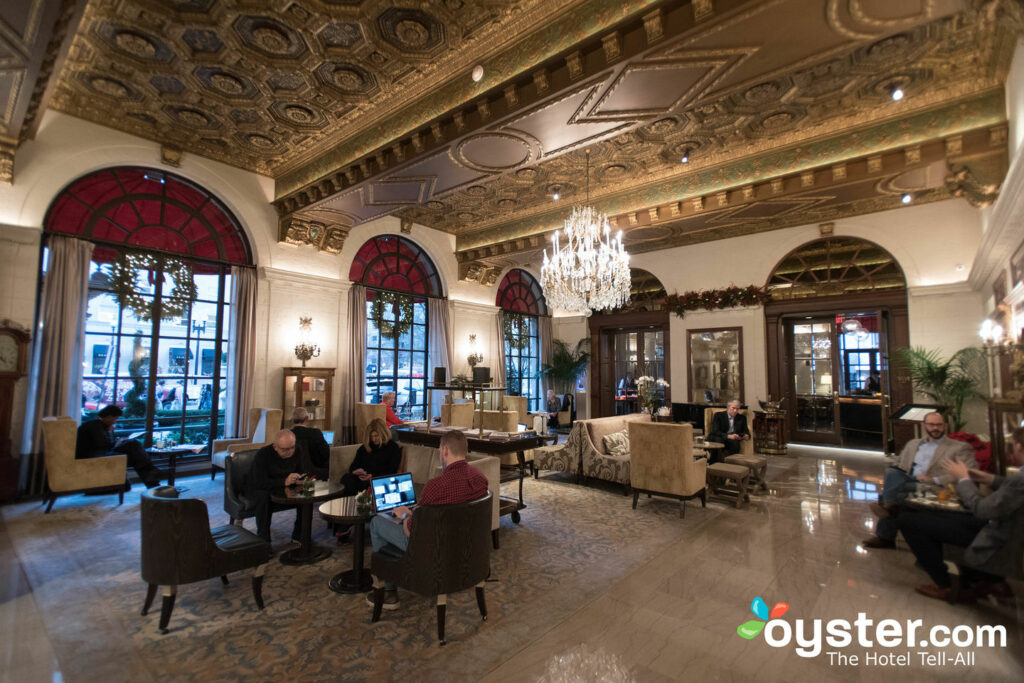
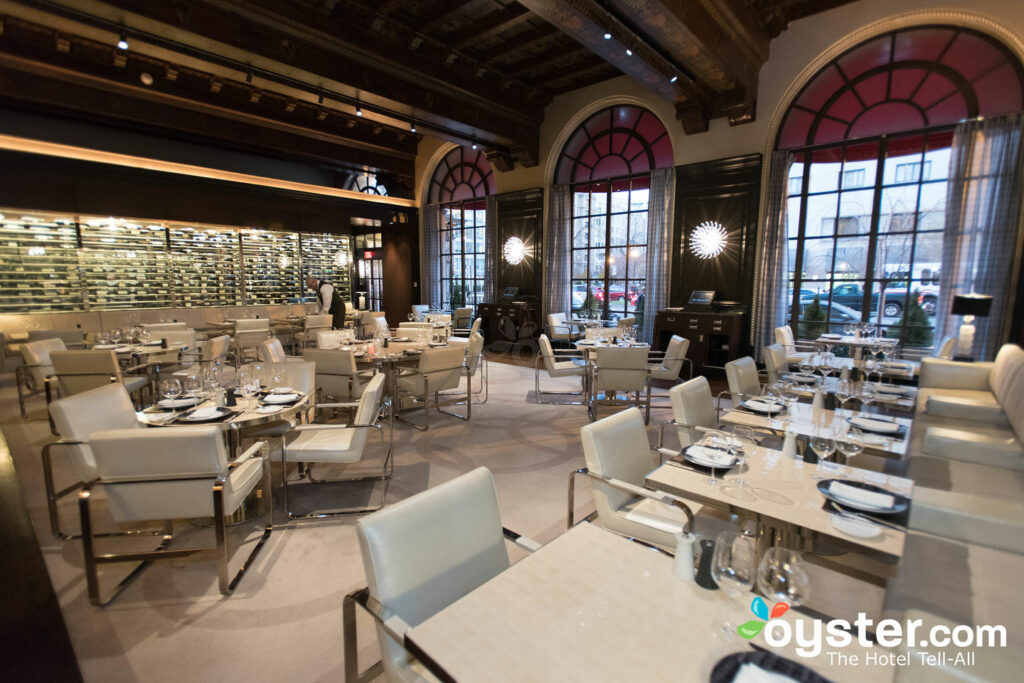
Interiors here are grand and elegant; the lobby impresses with its gorgeous ceiling adorned with intricate carvings, large chandeliers, and big, beautiful Palladian windows. These grandiose Old World details are paired with elegant red velvet seating clustered here and there, as well as lovely antique pieces and lots of fresh flowers. Decanter, the on-site restaurant, puts a different spin on the traditional details, marrying original architectural elements with clean-lined, modern decor.
Location
In the heart of downtown, a seven-minute walk to the White House
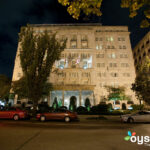
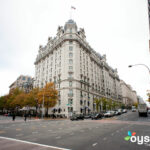
The St. Regis is in the heart of "old downtown," just a short walk from the White House (seven minutes away) and two blocks from Lafayette Park. Several must-see historic sites are within walking distance, such as the Smithsonian National Museum of American History, the Smithsonian American Art Museum, the International Spy Museum, and the Washington Monument, which are all about a 20-minute walk away. Other sites that are a bit farther away can easily be accessed by public transportation, and the nearest metro station is just a two-minute walk from the hotel.
While the immediate area around the hotel is bustling with nine-to-fivers during the day, it can border on desolate at night. There are a couple of dining options nearby, including restaurants in other hotels like the Hay-Adams or the Jefferson. Union Station, D.C.'s main train station, is a 15-minute subway ride away. Ronald Reagan National Airport is around a 15- to 20-minute drive, depending on traffic, or 25 minutes via public transportation, while Dulles International Airport is 45 minutes to an hour by car, or a bit over an hour by public transit.
Rooms
Elegant rooms and suites with classic decor and modern amenities
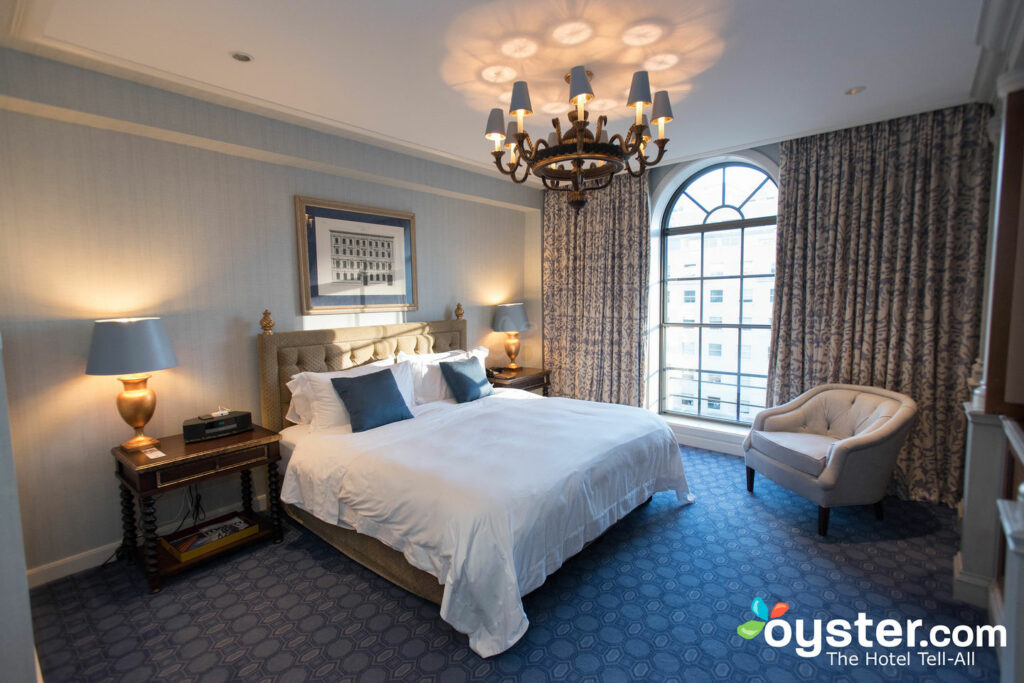
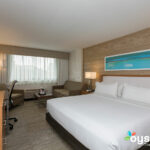
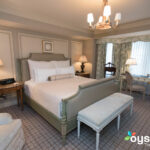
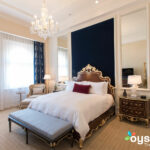
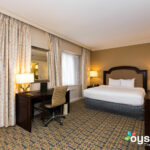
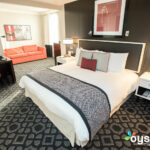
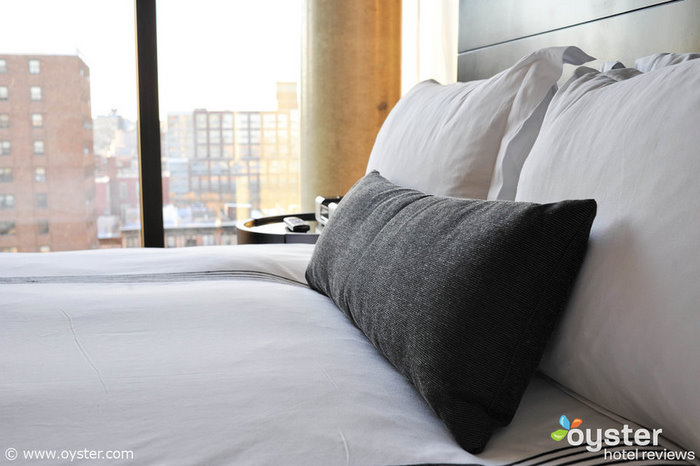
Rooms here are some of the best in the city, marrying elegant and classic traditional decor with modern technology (Bose iPod docks, flat-screens embedded in the bathroom mirrors). In general, they're bigger than the rooms at the similarly pricey hotels just down the street, the Hay-Adams and Jefferson, but smaller than those at luxury hotels in other parts of the city. Large plush beds are topped with fine Italian linens and down feather comforters, while accent pillows match the color schemes of the spaces, which range from blue to beiges and browns to olive greens.
There are four types of basic rooms: Superior (350 to 480 square feet or 33 to 45 square meters), Deluxe (350 square feet or 33 square meters), Premier Deluxe (375 or 35 square meters), and Grand Luxe (440 to 485 square feet or 41 to 45 square meters). Suites range from 620 square feet (58 square meters) to 2,510 square feet (233 square meters) in the Presidential Suite, and all but the Metropolitan Suite have separate living rooms. They also add extras like Nespresso machines and butler service.
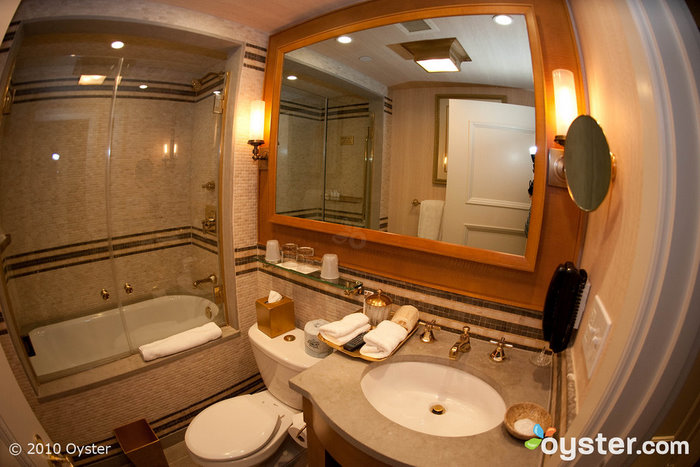
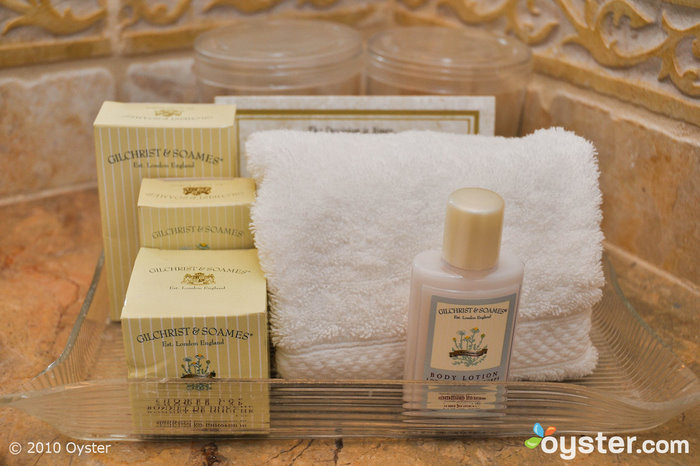
Standard amenities include 36-inch flat-screen TVs, DVD players, Bose iPod docks, well-stocked minibars, safes, and free internet -- but high-speed Wi-Fi incurs an extra charge (it's free for SPG members) and there are no in-room coffee- and tea-making facilities (only suites have Nespresso machines), though coffeemakers can be requested. Elegant bathrooms have walk-in showers, while suites add separate soaking tubs, plus some even have flat-screen TVs embedded in the mirrors. Magnifying mirrors, robes, and Reméde toiletries are supplied.
Features
Elegant restaurant and bar, small fitness center, business facilities, and some free perks like evening Champagne
The St. Regis doesn't offer a ton in the way of amenities, but, with the exception of the fitness center which is poorly equipped, everything is top-notch. One of the highlights is a nightly "Champagne Sabering Ritual," with free Champagne for guests, and other perks include free car service within a two-mile radius of the hotel (during select times of the day and subject to availability).
The hotel does a great job catering to business travelers, with a business center equipped with computers and a printer, as well as eight meeting rooms of various sizes. There's also a ballroom available for events such as weddings, as well as a terrace. The fitness center has only a handful of cardio and weight machines, but it offers some nice touches like free bottled water and fresh fruit.
The St. Regis's restaurant, Decanter, serves haute American cuisine in a beautifully designed space, and draws hotel guests and locals alike. It's open for breakfast, lunch, and dinner. The lobby bar is an atmospheric place complete with a fireplace, serving excellent cocktails and small plates. The hotel also offers afternoon tea service, and room service is available 24/7.
Other amenities include free shoeshines, babysitting services, nightly turndown service, and loaner bikes. Valet parking is available, but it's expensive. Pets under 20 pounds are allowed for a fee.
Related Hotels
This Hotel Also Featured In
4 Super-Cool Hotel Rituals
We all have our rituals when we stay in hotels, whether they be indulging on the minibar every time or superstitiously avoiding rooms with “unlucky” numbers. But plenty of hotels have rituals of their own that guests can enjoy during their stays. Of course, many hotels have offerings that have become traditions, like free afternoon…
The Favorite Hotels of the British Royal Family
Photo Credit: UK Ministry of Defence Is it possible to be more excited about the upcoming due date of a baby than the baby’s mother? Because we think that might be the case with us and the Duchess of Cambridge’s second bundle of joy. Because we’re just so excited: The little royal is due this…
Movie Stars and Moguls: The Most Famous Hotel Residents of the Past
This post originally appeared on Yahoo! Travel. For those of us who grew up reading the adventures of Eloise, the mischievous little girl who grew up at The Plaza, living in a hotel — with daily maid service and pampering — represents the ultimate fantasy. But it’s been a reality for many notables over the…
Fact or Fakeout: $120 Million Penthouses, Exclusive Spa Treatments, and More!
The Tranquila Suite at La Tranquila; Riviera Nayarit, Mexico 1. FACT OR FAKEOUT? The smallest room at La Tranquila in Mexico’s Riviera Nayarit is 16 times bigger than a standard room at The Jane Hotel in New York City. 2. FACT OR FAKEOUT? According to singer Josh Groban, his dog Sweeney has a favorite hotel:…
Ring in the New Year at These 6 Sophisticated Champagne Lounges
Legend has it that when Dom Perignon first discovered champagne, he called out, “Come quickly, I am tasting the stars!” It’s hard to disagree with the Frenchman — a cool glass of bubbly can make even the most stoic person let loose a giggle or a smirk. And this is doubly true on New Year’s…
Travel Like a Queen: Check Out the Luxury Hotels of Britain's Royal Family
If there’s one thing we’ve learned this summer it’s that the Brits are classy. From the Diamond Jubilee to the ongoing Olympic games, it’s clear that Her Royal Majesty recognizes true luxury when she sees it (and isn’t afraid to parachute out of a helicopter, either…but that’s a whole other story). While we all might…
Lavish Linens: How the Finest Italian Sheets Stack Up
We’ll admit it: We are name-droppers here at Oyster. We love us some some soft Frette and Sferra sheets. So what exactly makes for soft, plush, feels-like-you’re-sleeping-on-a-cloud linens? As we learned from the hilarious Aziz Ansari, thread count isn’t everything. Hotels love to brag about it, but other factors like fiber quality, yarn size, and…
Slideshow: Take a pee-k at the best hotel bathrooms in Washington, D.C.
Bathroom at St. Regis Washington D.C.
Things You Should Know About The St. Regis Washington, D.C.
Also Known As
- St Regis Washington Dc
- Washington Dc St Regis
Room Types
- Caroline Astor Suite
- Deluxe Room
- Empire Suite
- Grand Luxe Room
- John Jacob Astor Suite
- Knickerbocker Suite
- Metropolitan Suite
- Premier Deluxe Room
- Presidential Suite
- St. Regis Suite
- Superior Room
Address
923 16th and K Streets, N.W., Washington DC, 20006, United States
Phone
(202) 638-2626
Website
Scene
Luxury chain hotel right down the street from the White House; dominated by businesspeople during the week and leisure travelers on weekends
In the eight decades since Calvin Coolidge cut the ceremonial grand-opening ribbon, every president has visited the St. Regis. For seven of those decades -- from 1926 to the end of the last century -- the property was known as the Carlton Hotel, and hosted influential figures ranging from presidents (Reagan had his hair cut here) to celebrities (Audrey Hepburn, Elizabeth Taylor, and Cher were frequent guests). Howard Hughes kept a permanent suite at the Carlton during World War II.
In 1999, the hotel changed hands and became the second St. Regis in the world, 95 years after the flagship property in New York opened. Just as significant as the hotel's St. Regis label is its association with Starwood, which enables the chain's frequent customers to use or accrue preferred guest points. The result is a clientele -- and hence a vibe -- even more corporate than other Washington hotels, at least during the week when business travelers dominate -- though weekends see many leisure travelers. Note that because of the mature vibe -- think: antique furniture, conservative decor, and butler service -- the St. Regis isn't ideal for families with young children, but it does offer kids' menus and cribs. During our visit, mellow jazz played in the lobby, and we were lucky enough to sample the afternoon tea -- a decadent, (pricey) treat, that's indicative of the hotel's posh, grown-up, and slightly stuffy vibe.
Interiors here are grand and elegant; the lobby impresses with its gorgeous ceiling adorned with intricate carvings, large chandeliers, and big, beautiful Palladian windows. These grandiose Old World details are paired with elegant red velvet seating clustered here and there, as well as lovely antique pieces and lots of fresh flowers. Decanter, the on-site restaurant, puts a different spin on the traditional details, marrying original architectural elements with clean-lined, modern decor.
Location
In the heart of downtown, a seven-minute walk to the White House
The St. Regis is in the heart of "old downtown," just a short walk from the White House (seven minutes away) and two blocks from Lafayette Park. Several must-see historic sites are within walking distance, such as the Smithsonian National Museum of American History, the Smithsonian American Art Museum, the International Spy Museum, and the Washington Monument, which are all about a 20-minute walk away. Other sites that are a bit farther away can easily be accessed by public transportation, and the nearest metro station is just a two-minute walk from the hotel.
While the immediate area around the hotel is bustling with nine-to-fivers during the day, it can border on desolate at night. There are a couple of dining options nearby, including restaurants in other hotels like the Hay-Adams or the Jefferson. Union Station, D.C.'s main train station, is a 15-minute subway ride away. Ronald Reagan National Airport is around a 15- to 20-minute drive, depending on traffic, or 25 minutes via public transportation, while Dulles International Airport is 45 minutes to an hour by car, or a bit over an hour by public transit.
Rooms
Elegant rooms and suites with classic decor and modern amenities
Rooms here are some of the best in the city, marrying elegant and classic traditional decor with modern technology (Bose iPod docks, flat-screens embedded in the bathroom mirrors). In general, they're bigger than the rooms at the similarly pricey hotels just down the street, the Hay-Adams and Jefferson, but smaller than those at luxury hotels in other parts of the city. Large plush beds are topped with fine Italian linens and down feather comforters, while accent pillows match the color schemes of the spaces, which range from blue to beiges and browns to olive greens.
There are four types of basic rooms: Superior (350 to 480 square feet or 33 to 45 square meters), Deluxe (350 square feet or 33 square meters), Premier Deluxe (375 or 35 square meters), and Grand Luxe (440 to 485 square feet or 41 to 45 square meters). Suites range from 620 square feet (58 square meters) to 2,510 square feet (233 square meters) in the Presidential Suite, and all but the Metropolitan Suite have separate living rooms. They also add extras like Nespresso machines and butler service.
Standard amenities include 36-inch flat-screen TVs, DVD players, Bose iPod docks, well-stocked minibars, safes, and free internet -- but high-speed Wi-Fi incurs an extra charge (it's free for SPG members) and there are no in-room coffee- and tea-making facilities (only suites have Nespresso machines), though coffeemakers can be requested. Elegant bathrooms have walk-in showers, while suites add separate soaking tubs, plus some even have flat-screen TVs embedded in the mirrors. Magnifying mirrors, robes, and Reméde toiletries are supplied.
Features
Elegant restaurant and bar, small fitness center, business facilities, and some free perks like evening Champagne
The St. Regis doesn't offer a ton in the way of amenities, but, with the exception of the fitness center which is poorly equipped, everything is top-notch. One of the highlights is a nightly "Champagne Sabering Ritual," with free Champagne for guests, and other perks include free car service within a two-mile radius of the hotel (during select times of the day and subject to availability).
The hotel does a great job catering to business travelers, with a business center equipped with computers and a printer, as well as eight meeting rooms of various sizes. There's also a ballroom available for events such as weddings, as well as a terrace. The fitness center has only a handful of cardio and weight machines, but it offers some nice touches like free bottled water and fresh fruit.
The St. Regis's restaurant, Decanter, serves haute American cuisine in a beautifully designed space, and draws hotel guests and locals alike. It's open for breakfast, lunch, and dinner. The lobby bar is an atmospheric place complete with a fireplace, serving excellent cocktails and small plates. The hotel also offers afternoon tea service, and room service is available 24/7.
Other amenities include free shoeshines, babysitting services, nightly turndown service, and loaner bikes. Valet parking is available, but it's expensive. Pets under 20 pounds are allowed for a fee.
Best Rates
Amenities
-
Air Conditioner
-
Airport Transportation
-
Babysitting Services
-
Basic Television
-
Business Center
-
Cable
-
Concierge
-
Cribs
-
Dry Cleaning
-
Fitness Center
-
Internet
-
Kids Allowed
-
Laundry
-
Meeting / Conference Rooms
-
Mini Bar (with liquor)
-
Pets Allowed
-
Rental Car Service Desk Onsite
-
Room Service
-
Separate Bedroom / Living Room Space
-
Smoking Rooms Available
-
Tennis Court
Disclaimer: This content was accurate at the time the hotel was reviewed. Please check our partner sites when booking to verify that details are still correct.